
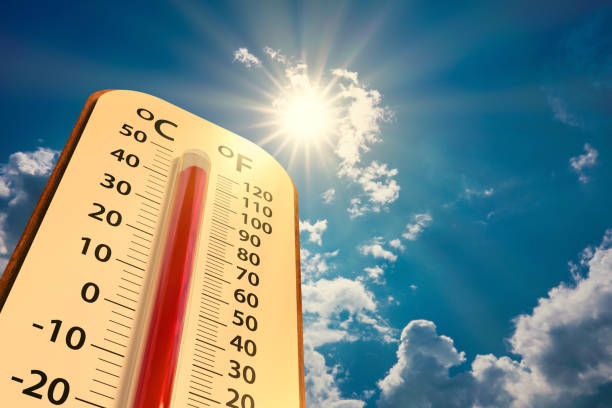
Where I live, the weather is generally pretty mild. We experience all four seasons, but nothing too extreme—just a few days of triple-digit heat in the summer and the occasional week of freezing temperatures in the winter. I might be a little biased, but I’d say northern Nevada is one of the best places to live. The Sierra Mountains are stunning, the air is usually dry, and we don’t deal with many bugs. In contrast, I once spent some time in the Middle East where, by mid-May, the daily temperatures rarely dropped below 110°F—and by September, they were still climbing as high as 117. It was intense. I share this for two reasons. First, I couldn’t wait to get home. Second, and more interestingly, most of us over time adjusted. What once felt unbearable became our new normal
A Strength and a Weakness
That experience made me think about how adaptable we are as human beings—and how that can be both a strength and a risk. Physically, our bodies learn to cope. But emotionally, mentally, and socially, we often adjust to things we probably shouldn’t. It’s easy to become numb to dysfunction, to grow used to unhealthy habits, or to accept negativity or division as just “the way things are.”
Normalization has two sides. On one hand, it helps us survive and carry on. On the other, it can quietly dull our awareness and make us comfortable with things that need to be challenged. Recognizing when we’ve begun to accept something damaging or misleading as normal is a key step toward personal growth and maturity.
Whether it’s the values we live by, the messages we consume, or how we treat others, it’s worth asking: What have I started to accept that I once questioned? Have I adjusted to something simply because it was easier than addressing it?
Sometimes, the hardest truths—when shared with care and respect—can be the most transformative. Having the courage to face uncomfortable realities, both in ourselves and in others, is what helps us grow, build trust, and make meaningful change.
Reflection Questions
- What is one area of your life where you’ve grown used to something that may no longer be serving you well?
- Who in your life might benefit from a conversation rooted in honesty and care—and are you willing to have it?